
Introduction
Resurfacing a pool is an essential step in maintaining its longevity and aesthetic appeal. Over time, the surface of a pool can become worn out, cracked, or discolored, making it necessary to resurface it. In this article, we will discuss the steps involved in resurfacing a pool to help you understand the process and ensure a successful outcome.
1. Drain and Clean the Pool
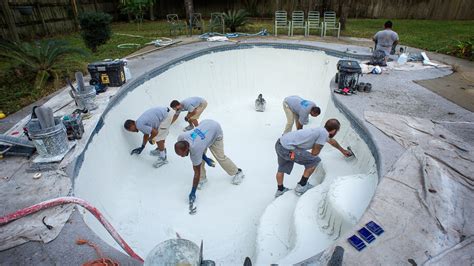
The first step in resurfacing a pool is to drain all the water from it. This can be done using a submersible pump or by backwashing the pool’s filtration system. Once the pool is empty, it is crucial to thoroughly clean the surface to remove any dirt, debris, or algae. This can be done using a pool brush, pool cleaner, and a pressure washer if necessary. Cleaning the pool will ensure that the new surface adheres properly and provides a smooth finish.
2. Repair Cracks and Imperfections
Before applying the new surface, it is important to inspect the pool for any cracks, chips, or imperfections. These should be repaired using a pool patching compound or epoxy filler. The damaged areas should be cleaned and prepared according to the manufacturer’s instructions before applying the repair material. This step is crucial to ensure a seamless and durable resurfacing job.
3. Apply Bonding Agent
Once the pool is clean and repaired, a bonding agent should be applied to the surface. This helps create a strong bond between the old surface and the new one. The bonding agent should be applied evenly using a roller or sprayer, following the manufacturer’s instructions. Allow the bonding agent to dry completely before proceeding to the next step.
4. Apply the New Pool Surface
After the bonding agent has dried, it is time to apply the new pool surface. There are different options available for pool resurfacing, such as plaster, pebble, or tile. Choose the material that suits your preferences and budget. Follow the manufacturer’s instructions for mixing and applying the chosen surface material. It is important to work in small sections and ensure an even application for a professional-looking finish.
5. Smooth and Cure the Surface
Once the new surface has been applied, it needs to be smoothed out using a pool trowel or float. This helps remove any imperfections and ensures an even texture. After smoothing, the surface should be allowed to cure for the recommended time. This can vary depending on the type of surface material used, so refer to the manufacturer’s guidelines for curing time.
6. Fill and Balance the Pool
After the curing period, the pool can be refilled with water. It is important to monitor the water chemistry and balance it accordingly to ensure the longevity of the new surface. Test the water regularly for pH, alkalinity, and chlorine levels, and make any necessary adjustments. Proper water balance will prevent the surface from staining, etching, or deteriorating prematurely.
Conclusion
Resurfacing a pool is a significant undertaking, but by following these steps, you can ensure a successful and long-lasting result. Remember to thoroughly clean, repair, and prepare the pool before applying the new surface, and take the time to smooth, cure, and balance the pool properly. With proper maintenance and care, your newly resurfaced pool will provide you with years of enjoyment.

