Introduction
Opening a salt water pool is an essential step to ensure that your pool is ready for the summer season. Salt water pools offer many benefits, including softer water and lower maintenance compared to traditional chlorine pools. In this article, we will guide you through the steps to open a salt water pool, so you can enjoy a clean and refreshing swimming experience.
Step 1: Remove the Pool Cover
The first step in opening your salt water pool is to remove the pool cover. Start by draining any accumulated rainwater or debris from the cover. Once the cover is clean, carefully remove it from the pool, making sure not to let any debris fall into the water. Fold the cover and store it in a dry and clean area to prevent mold or mildew growth.
Step 2: Clean the Pool
Before filling your salt water pool, it’s important to clean the pool thoroughly. Use a pool brush to scrub the walls and floor of the pool to remove any dirt or algae buildup. Pay extra attention to corners and crevices. Once the pool is scrubbed, use a pool vacuum or skimmer to remove any remaining debris from the water surface.
Step 3: Check and Adjust Water Chemistry
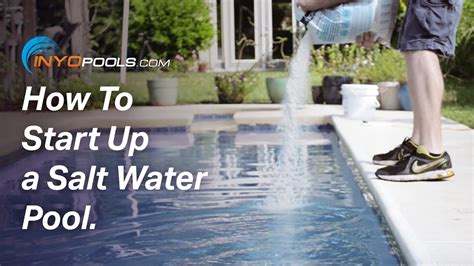
Once the pool is clean, it’s time to check and adjust the water chemistry. Test the pH, alkalinity, and salt levels using a pool testing kit. Adjust the pH and alkalinity levels as per the manufacturer’s recommendations. If the salt level is too low, add salt according to the pool’s requirements. It’s important to maintain the proper balance of chemicals in the water to ensure safe and comfortable swimming conditions.
Step 4: Start the Salt Chlorinator
A salt chlorinator is a device that converts salt into chlorine to sanitize the pool water. Start the salt chlorinator according to the manufacturer’s instructions. Ensure that the salt cell is clean and free from any debris. Monitor the chlorine levels in the pool and adjust the chlorinator settings if necessary.
Step 5: Run the Pool Pump and Filter
Turn on the pool pump and filter system to circulate and filter the water. Run the pump for at least 24 hours to ensure proper circulation and filtration. Monitor the pressure gauge on the filter and backwash or clean the filter when the pressure rises above the normal range.
Step 6: Test and Balance Chemical Levels
After the pool has been running for 24 hours, retest the water chemistry and adjust the chemical levels if needed. This includes adjusting the pH, alkalinity, and salt levels. Regularly test the water throughout the swimming season and make necessary adjustments to maintain a balanced and safe swimming environment.
Conclusion
Opening a salt water pool involves a few important steps, such as removing the pool cover, cleaning the pool, checking and adjusting water chemistry, starting the salt chlorinator, running the pool pump and filter, and testing and balancing chemical levels. By following these steps, you can ensure that your salt water pool is clean, safe, and ready for enjoyment throughout the summer season.

