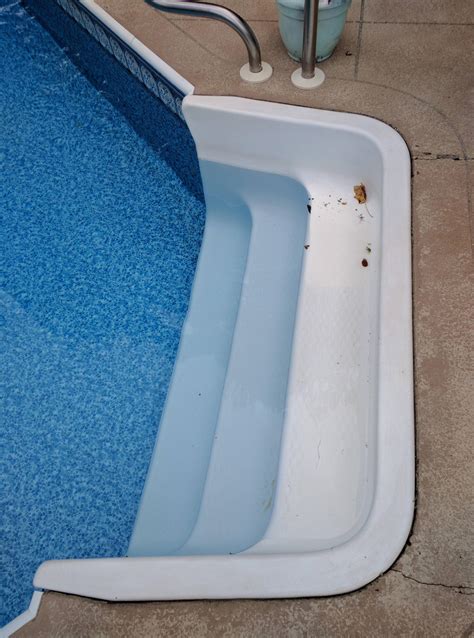

Introduction
Opening a salt water pool can seem like a daunting task, but with the right steps and preparation, it can be a straightforward process. This article will guide you through the necessary steps to open your salt water pool and ensure it is ready for swimming in the upcoming season.
Gather Your Supplies
Before you begin, gather all the necessary supplies. This includes a pool skimmer, pool brush, pool vacuum, water test kit, salt, and any additional chemicals your pool may require. It’s also important to check that your pool’s filtration system is in good working condition.
Remove Pool Cover
Once you have your supplies ready, carefully remove the pool cover. Clean and dry it thoroughly before storing it away. Inspect the cover for any damage and make any necessary repairs or replacements.
Clean and Inspect the Pool
Using your pool brush, thoroughly scrub the sides and bottom of the pool to remove any dirt or algae that may have accumulated during the off-season. Once the pool is clean, use the pool vacuum to remove any debris from the water. Inspect the pool for any cracks, leaks, or other signs of damage. Address any issues before proceeding.
Balance the Water Chemistry
Test the water using your water test kit to determine its pH, chlorine, and salt levels. Adjust these levels as needed to ensure the water is safe and comfortable for swimming. Follow the instructions on your test kit and consult a professional if you’re unsure about the correct amounts of chemicals to add.
Start the Filtration System
Once the water chemistry is balanced, it’s time to start the pool’s filtration system. Ensure that all valves are in the correct position and turn on the pump. Allow the system to run for a few hours to ensure proper circulation and filtration of the water.
Conclusion
By following these steps, you can successfully open your salt water pool and have it ready for the swimming season. Regular maintenance and proper water chemistry management will ensure that your pool remains clean and safe for enjoyment throughout the year. Remember to consult a professional or refer to your pool’s manufacturer guidelines for any specific instructions or recommendations.

