Introduction
Building a concrete pool in your backyard is an excellent way to enhance the aesthetics and value of your property. While it may seem like a complex and daunting task, following the right steps can make the process smooth and successful. This article will guide you through the essential steps involved in building a concrete pool, ensuring that you have all the necessary information to embark on this exciting project.
1. Design and Planning
The first step in building a concrete pool is to carefully design and plan the project. Consider the size, shape, and depth of the pool, as well as any additional features such as waterfalls, slides, or lighting. Hire a professional pool designer who will work closely with you to create a blueprint that meets your requirements and complies with local building codes.
During this stage, it is crucial to obtain the necessary permits and approvals from your local authorities. This ensures that your pool meets safety and environmental regulations, giving you peace of mind throughout the construction process.
2. Excavation
Once the design is finalized and the permits are obtained, the next step is excavation. This involves digging out the area where the pool will be constructed. Heavy machinery is typically used to remove the soil and create a hole that matches the dimensions of the pool design.
During this stage, it is important to consider the ground conditions and any potential obstacles that may affect the excavation process. Consulting with an experienced contractor will help identify any potential challenges and ensure that the excavation is carried out accurately.
3. Steel Reinforcement
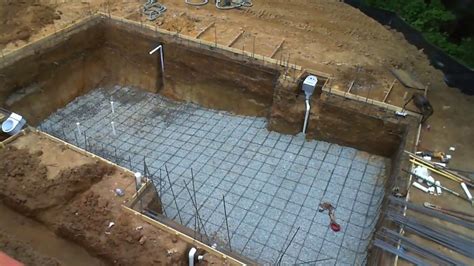
After excavation, the pool’s structure needs to be reinforced with steel. Steel bars, also known as rebar, are placed strategically within the excavated area to provide strength and support to the concrete. The rebar is carefully positioned according to the design specifications and secured with wire ties.
Proper reinforcement is essential to prevent cracks and ensure the longevity of the pool. Hiring a professional contractor with expertise in pool construction will ensure that the steel reinforcement is done correctly.
4. Plumbing and Electrical Work
Once the steel reinforcement is in place, the next step is to install the plumbing and electrical systems. This includes laying down pipes for water circulation, installing drains, and connecting the pool to the main water supply. Electrical work involves setting up the necessary wiring for pool equipment such as lights, pumps, and heaters.
It is crucial to hire licensed professionals for the plumbing and electrical work to ensure that all safety standards are met. Proper installation will prevent any future issues and ensure the efficient functioning of your pool.
5. Shotcrete or Gunite Application
With the structural elements in place, it’s time to apply the shotcrete or gunite, which is a mixture of cement, sand, and water. This mixture is sprayed onto the steel reinforcement, creating a solid and durable shell for the pool. The application is done in layers, ensuring proper thickness and strength.
During this stage, it is important to work with skilled contractors who have experience in applying shotcrete or gunite. Their expertise will ensure that the shell is built correctly, avoiding any potential issues in the future.
6. Finishing Touches
After the shell has cured, it’s time for the finishing touches. This involves adding the final layer of plaster or tiles to the pool’s interior surface. The choice of finish will depend on your preference and budget. Additionally, any additional features such as waterfalls, slides, or lighting can be installed at this stage.
Once the finishing touches are complete, the pool is filled with water and thoroughly tested for leaks and proper functioning. Regular maintenance and proper care will ensure that your concrete pool remains a source of enjoyment for years to come.
In conclusion, building a concrete pool requires careful planning, skilled professionals, and adherence to local regulations. By following these steps, you can create a stunning and functional pool that will enhance your outdoor space and provide endless hours of relaxation and entertainment.

