
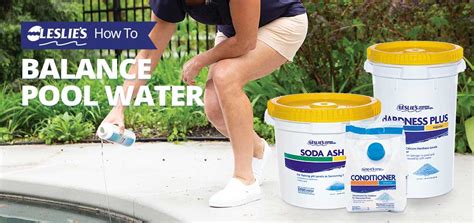
Introduction
Having a pool in your backyard is a great way to beat the summer heat and enjoy some fun and relaxation. However, maintaining the right balance of chemicals in your pool water is crucial to ensure a safe and clean swimming environment. In this article, we will guide you through the steps to balance your pool water effectively.
Step 1: Test the Water
The first step in balancing your pool water is to test its chemical levels. You can use a pool testing kit or take a sample of your pool water to a local pool supply store for testing. The important factors to test for include pH, alkalinity, calcium hardness, and chlorine levels.
Step 2: Adjust pH Levels
pH levels determine the acidity or alkalinity of your pool water. The ideal pH range for pool water is between 7.4 and 7.6. If the pH levels are too high, you can add a pH reducer to bring it down. On the other hand, if the pH levels are too low, you can add a pH increaser to raise it.
Step 3: Balance Alkalinity
Alkalinity acts as a buffer for the pH levels in your pool water. The recommended alkalinity range is between 80 and 120 parts per million (ppm). If the alkalinity levels are too high, you can add an alkalinity decreaser. Conversely, if the alkalinity levels are too low, you can add an alkalinity increaser.
Step 4: Adjust Calcium Hardness
Calcium hardness refers to the amount of dissolved calcium in your pool water. The ideal range for calcium hardness is between 200 and 400 ppm. If the calcium hardness levels are too high, you may need to dilute your pool water. Conversely, if the calcium hardness levels are too low, you can add a calcium hardness increaser.
Step 5: Add Chlorine
Chlorine is essential for killing bacteria and preventing algae growth in your pool. The recommended chlorine levels range between 1 and 3 ppm. You can add chlorine tablets, liquid chlorine, or granular chlorine to maintain the proper chlorine levels in your pool water.
Step 6: Regular Maintenance
Maintaining the balance of your pool water is an ongoing process. Regularly test the chemical levels and adjust as necessary. Additionally, make sure to clean your pool regularly, remove debris, and check the filtration system to ensure optimal water circulation and cleanliness.
By following these steps, you can ensure that your pool water remains clean, safe, and inviting throughout the summer season. Remember, proper pool water balance is essential for the longevity of your pool equipment and the health of those who swim in it. Happy swimming!

