Introduction
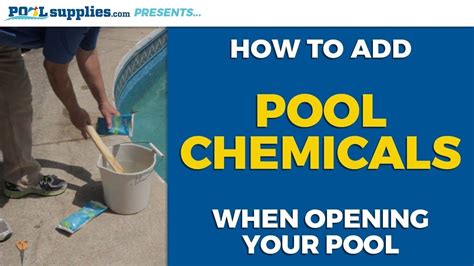
Having a pool is a great way to beat the summer heat and enjoy some refreshing moments. However, to keep your pool clean and safe for swimming, it’s essential to maintain the right chemical balance. Adding chemicals to your pool is a crucial part of pool maintenance, and in this article, we will guide you through the steps to ensure you do it correctly.
Step 1: Test the Water
The first step in adding chemicals to your pool is to test the water. This will help you determine the current chemical levels and identify any imbalances. You can use a pool water testing kit or take a sample to your local pool store for testing. The key parameters to check are the pH level, chlorine level, alkalinity, and calcium hardness.
Step 2: Adjust pH Level
The pH level of your pool water is crucial for maintaining water clarity and preventing any discomfort to swimmers. If the pH level is too high or too low, it can cause skin and eye irritation. To adjust the pH level, you can use pH increaser or pH decreaser chemicals. Follow the instructions on the chemical packaging and add the required amount to the pool water while the circulation system is running.
Step 3: Balance Alkalinity
Alkalinity is another important factor in maintaining proper water chemistry. It helps to stabilize the pH level and prevents it from fluctuating. If the alkalinity is too high or too low, it can affect the effectiveness of other chemicals. To balance alkalinity, you can use alkalinity increaser or alkalinity decreaser chemicals, depending on the test results. Add the recommended amount to the pool water and allow it to circulate for proper distribution.
Step 4: Chlorine Shock
Chlorine is a vital chemical for killing bacteria and keeping your pool water clean and safe. Regularly shocking your pool with chlorine helps to eliminate contaminants. To shock your pool, follow the instructions on a chlorine shock product and add the recommended amount to the water. It’s best to do this in the evening or at night to allow the chlorine to work effectively without being affected by sunlight.
Step 5: Maintain Chlorine Residual
After shocking your pool, it’s important to maintain a residual chlorine level to ensure continuous sanitization. Use a chlorine stabilizer to protect the chlorine from being quickly consumed by sunlight. This will help to prevent algae growth and maintain a healthy pool environment. Follow the instructions on the chlorine stabilizer product and add the appropriate amount to the water.
Conclusion
Adding chemicals to your pool is a necessary step to maintain a clean and safe swimming environment. By following these steps, you can ensure that your pool water stays balanced and free from contaminants. Remember to always read and follow the instructions on the chemical packaging for the best results. Regular testing and maintenance will help you enjoy your pool all summer long.

