
Introduction
Closing your above ground pool properly is essential to ensure its longevity and protect it from damage during the winter months. By following a few simple steps, you can effectively close your pool and have it ready for the next swimming season. Here is a step-by-step guide on how to close an above ground pool.
Gather the Necessary Supplies
Before you begin the closing process, gather all the supplies you will need. This may include a winter pool cover, pool cover clips or weights, pool chemicals such as chlorine or algaecide, a pool winterizing kit, a pool vacuum or skimmer, and a pool air pillow.
Clean and Balance the Water
Start by cleaning the pool thoroughly. Remove any debris or leaves using a pool net or skimmer. Once the pool is clean, balance the water chemistry by adjusting the pH, alkalinity, and chlorine levels. This will help prevent algae growth and ensure the water remains clear during the offseason.
Lower the Water Level
Next, lower the water level in the pool to about 4-6 inches below the skimmer opening. This prevents the water from freezing and potentially damaging the skimmer and plumbing lines. You can use a pool vacuum or submersible pump to drain the water to the desired level.
Add Winterizing Chemicals
Once the water level is lowered, add winterizing chemicals to the pool. This includes shock treatment, algaecide, and a winterizing kit. Follow the manufacturer’s instructions for the correct dosage and application method. These chemicals will help keep the water clean and clear throughout the winter season.
Install the Winter Pool Cover
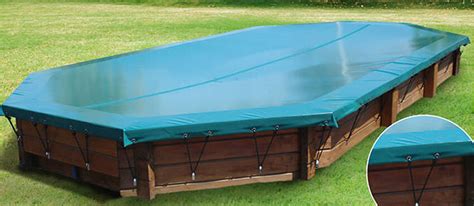
Finally, install the winter pool cover over the pool. Make sure the cover is securely fastened using pool cover clips or weights. This will prevent leaves, debris, and animals from entering the pool during the offseason. Additionally, consider using a pool air pillow to support the cover and prevent water from accumulating on top.
Conclusion
By following these step-by-step instructions, you can successfully close your above ground pool for the winter. Properly closing your pool will protect it from damage, save you time and money on maintenance, and ensure a hassle-free opening when the swimming season returns. Remember to consult the manufacturer’s guidelines for specific instructions pertaining to your pool model.

