Introduction
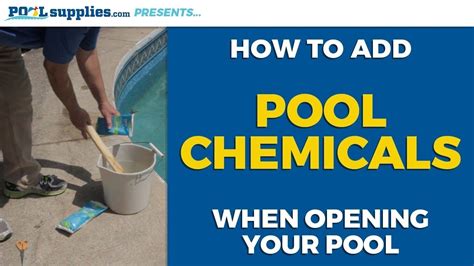
Having a pool is a great way to enjoy the summer and relax with family and friends. However, maintaining the pool’s cleanliness and chemical balance is essential for a safe and enjoyable swimming experience. In this article, we will guide you through the step-by-step process of adding chemicals to your pool to ensure crystal clear water.
Step 1: Test the Water
The first step is to test the water using a pool water testing kit. This will help you determine the current chemical levels in your pool, including pH, chlorine, alkalinity, and calcium hardness. Based on the test results, you can adjust the chemical levels accordingly.
Step 2: Adjust pH and Alkalinity
If the pH level is too high (above 7.8), you will need to add a pH decreaser or acid to bring it down. On the other hand, if the pH level is too low (below 7.2), you will need to add a pH increaser or soda ash. Similarly, if the alkalinity level is too high, an alkalinity decreaser can be added, and if it is too low, an alkalinity increaser is required.
Step 3: Chlorination
Chlorine is an essential chemical for maintaining a clean and safe pool. There are various forms of chlorine available, including liquid, granules, and tablets. Follow the manufacturer’s instructions to determine the appropriate amount of chlorine to add based on your pool’s size and current chlorine level. It is important to distribute the chlorine evenly throughout the pool.
Step 4: Shock Treatment
Shock treatment is a process of adding a concentrated dose of chlorine to the pool to kill bacteria and algae. This should be done regularly, especially after heavy pool usage or during hot weather. Follow the instructions on the shock treatment product for the recommended dosage and procedure.
Step 5: Stabilize the Water
Pool water stabilizer, also known as cyanuric acid, helps to protect the chlorine from being quickly degraded by the sun’s UV rays. The ideal cyanuric acid level is between 30-50 ppm (parts per million). If the level is too low, add a stabilizer product to increase it. However, be cautious not to exceed the recommended levels, as it can reduce the effectiveness of chlorine.
Step 6: Regular Maintenance and Monitoring
Once you have added the necessary chemicals to your pool, it is important to regularly monitor the chemical levels. Test the water weekly or bi-weekly to ensure that the pH, chlorine, and other chemical levels are within the recommended range. Additionally, maintaining proper filtration and cleaning the pool regularly will help keep the water clean and clear.

