Introduction
When it comes to designing a beautiful and functional inground pool, one of the essential elements to consider is the steps. Inground steps not only provide easy access to the pool but also enhance its overall aesthetic appeal. Whether you are building a new pool or renovating an existing one, choosing the right inground steps is crucial for a safe and enjoyable swimming experience.
The Importance of Inground Steps
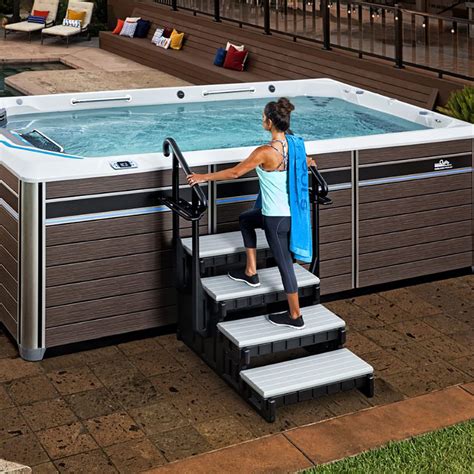
Inground steps serve multiple purposes. Firstly, they provide a convenient entry and exit point for pool users, especially for those who may have difficulty climbing in and out of the pool. Secondly, inground steps act as a safety feature, preventing accidents and injuries by offering a stable and slip-resistant surface. Additionally, these steps can also serve as seating areas, allowing swimmers to relax and socialize in the pool.
Types of Inground Steps
1. Built-in Steps
Built-in steps are integrated into the pool’s design during construction. They are typically made of the same material as the pool, creating a seamless and cohesive look. Built-in steps can be customized to match the shape and style of the pool, and they can be positioned at different locations, such as the shallow end or the corners, based on personal preference.
2. Drop-in Steps
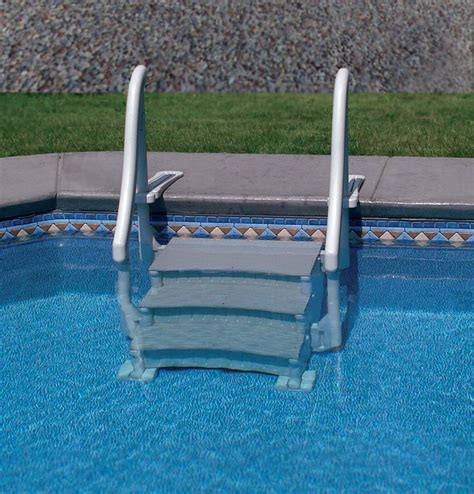
Drop-in steps are pre-fabricated steps that can be installed into an existing pool. These steps are versatile and can easily be added to any pool shape or size. Drop-in steps are made from durable materials such as fiberglass or plastic, and they often come with non-slip treads for added safety. They can be placed wherever desired and can be removed if necessary.
3. Ladder Steps
Ladder steps are a classic choice for inground pools. They consist of a ladder with handrails that extend into the water, providing swimmers with a secure grip. Ladder steps are easy to install and can be positioned at various depths in the pool. They are typically made of stainless steel or aluminum, ensuring durability and resistance to corrosion.
Maintenance and Care
Proper maintenance and care of inground steps are essential to ensure their longevity and functionality. Regular cleaning with mild soap and water can help prevent the buildup of dirt and algae. It is also important to check for any signs of damage or wear and tear, such as loose treads or rusted handrails, and address them promptly. Additionally, using pool covers when the pool is not in use can help protect the steps from debris and harsh weather conditions.
Conclusion
Choosing the right inground steps for your pool is crucial for both safety and aesthetics. Whether you opt for built-in steps, drop-in steps, or ladder steps, ensure that they are made from high-quality materials and provide a secure and slip-resistant surface. Regular maintenance and care will help prolong their lifespan, ensuring a pleasant swimming experience for years to come.

