
Introduction
Installing inground pool steps is an essential part of creating a safe and accessible pool area. Whether you are building a new pool or renovating an existing one, having the right steps in place is crucial. In this article, we will guide you through the process of inground pool steps installation, providing you with useful tips and insights to make the task easier.
Choosing the Right Steps
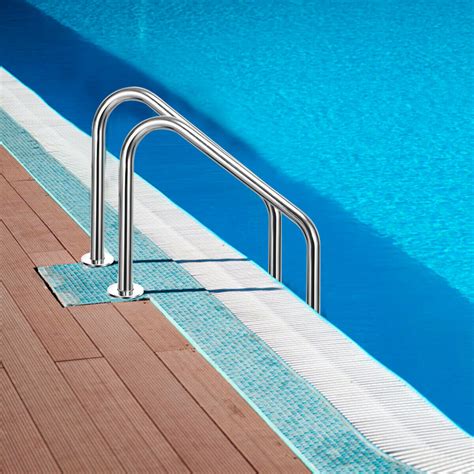
Before you begin the installation process, it is important to select the right inground pool steps for your specific needs. There are various types of steps available, including molded plastic, stainless steel, and concrete. Consider factors such as durability, aesthetics, and maintenance requirements when making your decision. Additionally, ensure that the steps you choose are compliant with safety regulations and provide easy access for all swimmers.
Preparing the Pool Area
Prior to installing the inground pool steps, you need to prepare the pool area. Start by measuring the dimensions of the steps and marking the desired location. Make sure the area is clear of any debris or obstructions that could hinder the installation process. It is also important to check the levelness of the ground and make any necessary adjustments to ensure a stable and secure installation.
Installing the Steps
Once the pool area is prepared, you can begin the installation process. Start by positioning the steps in the marked location and securing them in place. This may involve using adhesive, brackets, or even pouring concrete around the steps for added stability. Follow the manufacturer’s instructions carefully to ensure proper installation. It is recommended to seek professional assistance if you are unsure about any step of the process.
Maintaining the Steps
After the inground pool steps are installed, it is important to maintain them regularly to ensure their longevity and functionality. Clean the steps regularly using mild cleaners and a soft brush to remove any dirt or algae buildup. Inspect the steps for any signs of damage or wear and tear, such as cracks or loose parts, and address them promptly. Additionally, consider adding non-slip treads or grip pads to enhance safety and prevent accidents.
Conclusion
Installing inground pool steps is a crucial step in creating a safe and accessible pool area. By choosing the right steps, preparing the pool area properly, and following the installation instructions carefully, you can ensure a successful installation. Regular maintenance and inspections will help keep the steps in optimal condition, providing swimmers with a safe and convenient way to enter and exit the pool. Remember to prioritize safety and seek professional assistance if needed. Enjoy your pool and have a great swimming experience!

