
Introduction
With the increasing concern for environmental sustainability and the desire to avoid harsh chemicals, natural swimming pools have gained popularity in recent years. These eco-friendly alternatives to traditional pools provide a refreshing and chemical-free swimming experience. In this article, we will explore the concept of homemade natural swimming pools and how you can create your own oasis of relaxation right in your backyard.
Benefits of Natural Swimming Pools
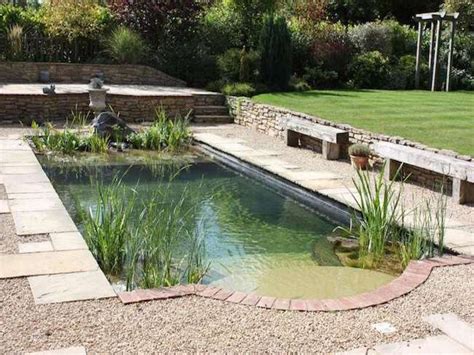
Unlike conventional swimming pools that rely on chlorine and other chemicals to keep the water clean, natural swimming pools use organic methods to maintain water quality. This not only eliminates the potential health risks associated with chemical exposure but also creates a more pleasant swimming environment. Natural swimming pools are also visually appealing, blending seamlessly with the surrounding landscape and attracting various forms of wildlife.
Designing Your Homemade Natural Swimming Pool
The first step in creating your homemade natural swimming pool is designing the layout. Consider the available space, desired shape, and depth of the pool. You can choose to incorporate waterfalls, rocks, and plants to enhance the natural aesthetic. It is important to plan the filtration system and circulation to ensure proper water flow and maintenance.
Building the Pool
Once you have finalized the design, it’s time to start building your natural swimming pool. Excavate the designated area to the desired depth and shape, ensuring that the walls are stable and properly reinforced. Install the necessary plumbing and filtration system, and line the pool with a high-quality pond liner. It is recommended to use natural materials such as gravel and sand for the bottom of the pool to promote proper filtration.
Maintaining Your Natural Swimming Pool
Proper maintenance is crucial to keep your homemade natural swimming pool clean and healthy. Regularly remove debris such as leaves and twigs from the water surface using a skimmer net. Monitor the water quality and adjust the pH levels as needed. It is also important to regularly clean the filtration system and replace any worn-out components. Additionally, maintaining a balanced ecosystem by adding aquatic plants and beneficial bacteria will help keep the water clear and free from algae growth.
Conclusion
Creating a homemade natural swimming pool is a rewarding and environmentally-friendly project. By utilizing organic methods for water maintenance and incorporating natural elements into the design, you can enjoy a chemical-free swimming experience right in your own backyard. Remember to plan the layout carefully, build the pool with proper reinforcement, and perform regular maintenance to ensure the longevity and enjoyment of your homemade natural swimming pool.

