
Introduction
Having an inground pool is a fantastic addition to any home, providing hours of fun and relaxation. However, it’s important to ensure that everyone can enjoy the pool, including individuals with disabilities. Installing handicap steps for an inground pool is not only a safety measure but also promotes inclusivity. In this article, we will explore the benefits of handicap steps and provide tips for choosing the right ones for your pool.
Why Handicap Steps?
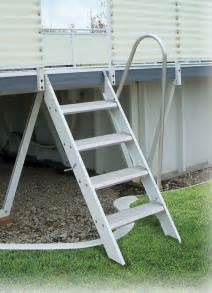
Handicap steps are specifically designed to assist individuals with disabilities in entering and exiting the pool safely and comfortably. These steps are equipped with features such as handrails, non-slip surfaces, and wider treads to accommodate mobility aids like wheelchairs or walkers. By installing handicap steps, you ensure that everyone, regardless of their physical abilities, can enjoy the pool without limitations.
Choosing the Right Handicap Steps
When selecting handicap steps for your inground pool, there are a few factors to consider. Firstly, make sure the steps comply with ADA (Americans with Disabilities Act) guidelines to ensure they meet the necessary safety standards. Look for steps with sturdy construction, preferably made from durable materials such as stainless steel or UV-resistant plastic.
Consider the weight capacity of the steps to ensure they can support individuals with disabilities. Additionally, opt for steps with non-slip surfaces and handrails that are ergonomically designed for easy gripping. These features provide added stability and support, reducing the risk of accidents or falls.
Installation and Maintenance
Proper installation of handicap steps is crucial to ensure their functionality and safety. It’s recommended to hire a professional pool contractor who specializes in accessibility modifications. They will ensure precise installation and make any necessary adjustments to suit your pool’s specific dimensions.
Regular maintenance is also essential to keep the handicap steps in optimal condition. Clean the steps regularly to remove any debris or algae that may cause slipperiness. Inspect the handrails for stability and tighten any loose screws. Additionally, check for any signs of wear and tear and replace any damaged parts promptly.
Promoting Inclusivity
Installing handicap steps for your inground pool is not just about meeting legal requirements; it’s about fostering inclusivity and creating an environment where everyone can participate and enjoy. By providing accessible options, you empower individuals with disabilities to join in the fun and relaxation of swimming, promoting a sense of belonging and community.
Conclusion
Handicap steps for inground pools are an excellent investment for both safety and inclusivity. By choosing the right steps and ensuring proper installation and maintenance, you can create a pool environment that is accessible to everyone. So, why wait? Make your pool a welcoming space for all individuals, regardless of their physical abilities, and enhance the enjoyment for everyone.

