
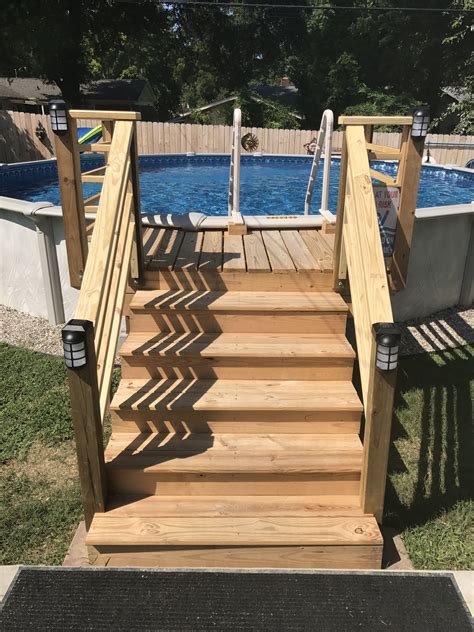
Introduction
Having an above ground pool in your backyard can be a great way to cool off during the hot summer months. However, getting in and out of the pool can sometimes be a challenge, especially for children or individuals with limited mobility. That’s where DIY pool steps come in handy. In this article, we will provide you with some tips and guidelines on how to build your own pool steps for an above ground pool.
Choosing the Right Materials
Before you start building your DIY pool steps, it’s important to choose the right materials. The steps should be sturdy enough to support the weight of anyone using them, so opt for materials like treated lumber or composite decking. These materials are durable and can withstand exposure to water and sunlight without deteriorating.
Designing the Steps
Next, you’ll need to design your pool steps. Consider the height of your pool and the space available around it. Ideally, the steps should be wide enough to provide a comfortable and stable platform for users. You can choose between straight or curved steps, depending on your personal preference and the overall aesthetic of your pool area.
Building the Steps
Once you have your design finalized, it’s time to start building the steps. Begin by measuring and cutting the lumber or decking material according to your design specifications. Use a level and a square to ensure that the steps are even and properly aligned. Assemble the steps using screws or nails, making sure to reinforce the joints for added stability.
Finishing Touches
After the steps are built, you can add some finishing touches to enhance their appearance and safety. Consider applying a non-slip coating to the surface of the steps to prevent accidents. You can also paint or stain the steps to match the color scheme of your pool area. Additionally, installing handrails on either side of the steps can provide extra support and security.
Maintenance and Safety
Lastly, it’s important to regularly maintain your DIY pool steps to ensure their longevity. Check for any signs of wear and tear, and replace any damaged or rotting parts immediately. Keep the steps clean by regularly removing dirt, leaves, and other debris. It’s also crucial to emphasize safety when using the steps, especially for children. Supervise them while they are using the steps and teach them how to properly enter and exit the pool.
In conclusion, building your own pool steps for an above ground pool can be a rewarding DIY project. By choosing the right materials, designing the steps properly, and following the necessary steps for construction, you can create a safe and functional entry and exit point for your pool. Don’t forget to maintain the steps regularly and prioritize safety at all times. Enjoy your summer and happy swimming!

