Introduction
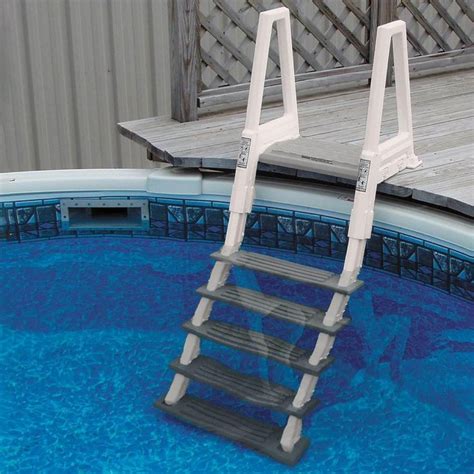
Having a pool in your backyard is a great luxury, but it also comes with some responsibilities. One of the most important aspects of pool safety is having a reliable pool ladder. A sturdy and heavy-duty pool ladder ensures that you and your loved ones can safely enter and exit the pool without any accidents. In this article, we will guide you through the process of building your own DIY heavy-duty pool ladder.
Gather the Materials
The first step in building your own DIY heavy-duty pool ladder is to gather all the necessary materials. You will need galvanized steel pipes, pipe connectors, non-slip ladder treads, screws, and a drill. Make sure to choose high-quality materials that are designed to withstand the harsh pool environment.
Measure and Cut
Next, measure the height of your pool and determine how many steps you want your ladder to have. Mark the measurements on the steel pipes and use a pipe cutter or a hacksaw to cut them according to your desired length. Remember to wear protective gloves and goggles while cutting the pipes to avoid any injuries.
Assemble the Ladder
Once you have all the pipes cut to the desired length, it’s time to assemble the ladder. Start by connecting the pipes using the pipe connectors. Make sure to tighten the connectors securely to ensure the stability of the ladder. Use screws to attach the non-slip ladder treads to the steps of the ladder. This will provide an extra layer of safety and prevent any slipping accidents.
Secure the Ladder
Before placing the ladder into the pool, you need to secure it properly. Attach the ladder to the pool deck using brackets or anchors. This will ensure that the ladder stays in place and doesn’t move while you are using it. Check the stability of the ladder by giving it a firm shake. If it wobbles, tighten the connections or adjust the brackets until it feels sturdy.
Maintenance and Safety Tips
Once your DIY heavy-duty pool ladder is installed, it’s important to regularly inspect and maintain it. Check for any signs of rust or corrosion and replace any damaged parts immediately. Keep the ladder clean by regularly removing any debris or dirt. Additionally, always supervise children and inexperienced swimmers while they are using the ladder to prevent any accidents.
In conclusion, building your own DIY heavy-duty pool ladder is a cost-effective and rewarding project. By following these steps and taking all the necessary safety precautions, you can ensure that your pool ladder is sturdy and reliable. Remember, safety should always be a top priority when it comes to pool usage, and a well-built ladder is an essential component of that.

