Introduction
Having an inground pool in your backyard can be a luxurious addition to your home. It provides a refreshing oasis during hot summer days and adds value to your property. However, to ensure easy access and safety, it is essential to have inground pool steps. In this article, we will guide you on how to build inground pool steps to enhance the functionality and aesthetics of your pool.
Step 1: Planning and Design
The first step in building inground pool steps is to carefully plan and design the layout. Consider the size and shape of your pool, the depth at which the steps will be installed, and the style that complements your pool design. You may opt for curved, straight, or corner steps, depending on your preference and available space. It is crucial to ensure that the steps are easily accessible and provide a safe entry and exit point for swimmers.
Step 2: Excavation
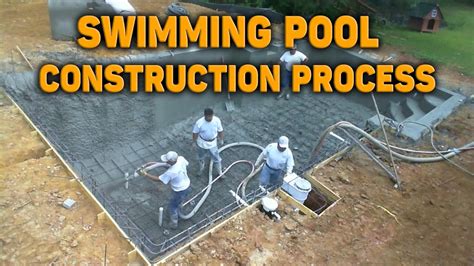
Once you have finalized the design, the next step is excavation. Use a shovel or an excavation machine to dig out the area where the steps will be installed. Ensure that the area is leveled and free from any debris or obstructions. It is advisable to mark the boundaries of the steps using stakes and a string to maintain accuracy during the excavation process.
Step 3: Constructing the Steps
After excavation, it’s time to construct the steps. Begin by creating a sturdy base using concrete or compacted gravel. This will provide a solid foundation for the steps. Next, build the risers and treads using durable and slip-resistant materials such as limestone, concrete, or fiberglass. It is essential to ensure that the steps are securely attached to the pool wall to prevent any movement or instability.
Step 4: Finishing Touches
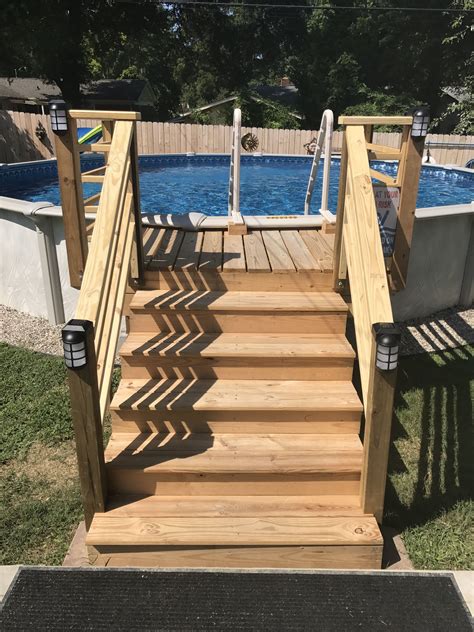
Once the steps are constructed, it’s time to add the finishing touches. Apply a waterproof sealant or paint to protect the steps from water damage and enhance their longevity. You may also consider adding decorative tiles or non-slip treads to enhance the aesthetics and safety of the steps. Additionally, installing handrails on either side of the steps is highly recommended for added safety and convenience.
Step 5: Maintenance
Regular maintenance is crucial to ensure the longevity and functionality of your inground pool steps. Clean the steps regularly using a mild detergent and a soft brush to remove any dirt, algae, or grime. Inspect the steps for any signs of damage or wear and tear, and repair or replace any damaged components promptly. Additionally, ensure that the surrounding area is free from debris and properly maintained to prevent any accidents.
Conclusion
Building inground pool steps requires careful planning, precise execution, and regular maintenance. By following the steps outlined in this article, you can create safe and aesthetically pleasing steps that enhance the overall functionality and appeal of your pool. Remember to prioritize safety and invest in high-quality materials to ensure the longevity of your pool steps. Enjoy your refreshing pool and make lasting memories with family and friends!

