
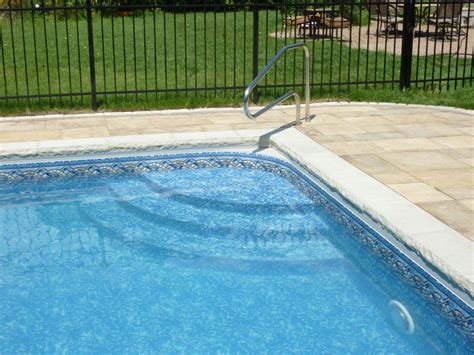
Why Concrete Steps Are a Great Addition
Concrete steps can be a wonderful addition to your inground pool, both in terms of aesthetic appeal and functionality. Unlike other types of steps, such as plastic or fiberglass, concrete steps are durable and can withstand the test of time. They provide a solid and secure footing for swimmers, making entering and exiting the pool much safer. Additionally, concrete steps can be customized to match the overall design of your pool, enhancing its visual appeal.
Step-by-Step Guide to Adding Concrete Steps
If you’re considering adding concrete steps to your inground pool, here’s a step-by-step guide to help you through the process:
1. Planning and Design
Start by assessing the area around your pool and determining the best location for the steps. Consider factors such as the shape and size of your pool, as well as any existing landscaping or structures. Once you have a clear idea of where the steps will be placed, create a design that complements the overall aesthetics of your pool.
2. Excavation
Next, you’ll need to excavate the area where the steps will be installed. This involves digging a hole and removing the soil to create a space for the concrete. Make sure to follow any local building codes and obtain any necessary permits before proceeding with excavation.
3. Formwork
Once the area is excavated, you’ll need to build formwork to hold the concrete in place. Use plywood or other suitable materials to create the desired shape and size of the steps. Make sure the formwork is sturdy and properly aligned before pouring the concrete.
4. Reinforcement
To ensure the strength and durability of your concrete steps, it’s important to add reinforcement. This typically involves placing steel rebar within the formwork to provide additional support. The rebar should be positioned in a grid pattern and secured in place using wire or zip ties.
5. Pouring and Finishing
With the formwork and reinforcement in place, it’s time to pour the concrete. Start by filling the bottom of the steps and work your way up. Use a shovel or rake to evenly distribute the concrete and remove any air pockets. Once the concrete is poured, use a trowel to smooth the surface and create a slip-resistant finish.
6. Curing and Sealing
After pouring and finishing the concrete, it’s important to allow it to cure properly. This usually involves covering the steps with a plastic sheet or tarp and letting them sit undisturbed for a few days. Once the concrete is fully cured, apply a concrete sealer to protect the surface from water damage and enhance its longevity.
Conclusion
Adding concrete steps to your inground pool can be a worthwhile investment that improves both the safety and aesthetics of your pool area. By following the step-by-step guide outlined above, you can successfully add concrete steps and enjoy the benefits they bring for years to come.

