
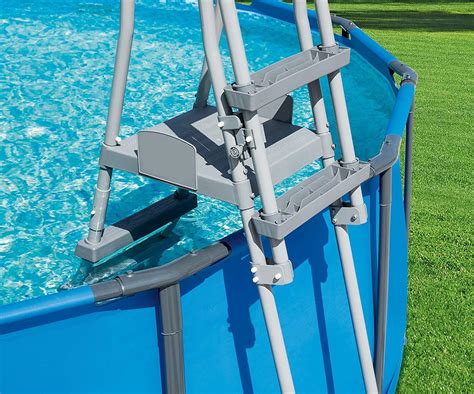
Importance of Above Ground Pool Ladder Safety
Above ground pools have become increasingly popular in recent years due to their affordability and convenience. However, it is essential to prioritize safety when using these pools, especially when it comes to the pool ladder. Many accidents and injuries occur as a result of improper ladder usage, making it crucial to understand and implement above ground pool ladder safety measures.
Choosing the Right Ladder
When selecting a ladder for your above ground pool, it is important to consider the height and weight capacity. The ladder should be designed specifically for above ground pools and have sturdy construction to support the weight of users. Additionally, look for ladders with non-slip steps and handrails for added stability.
Proper Installation
Before using the ladder, ensure it is correctly installed according to the manufacturer’s instructions. The ladder should be securely attached to the pool’s structure and have a stable foundation. Regularly inspect the ladder for any signs of wear or damage, and immediately address any issues to prevent accidents.
Safe Climbing Techniques
When using the ladder, always face the ladder and maintain a firm grip on the handrails. Take one step at a time and avoid rushing or skipping steps. It is crucial to never dive or jump from the ladder into the pool, as this can lead to serious injuries. Teach children to climb the ladder safely and supervise them at all times.
Additional Safety Measures
Along with proper ladder usage, there are other safety measures to consider when using an above ground pool. Installing a pool fence or gate can prevent unauthorized access and reduce the risk of accidents. It is also advisable to have a first aid kit nearby and ensure all pool users know basic water safety rules.
Maintaining a Safe Pool Environment
Regular pool maintenance is essential to ensure a safe swimming environment. Keep the pool clean and free from debris that can cause slips or falls. Regularly check the water chemistry to prevent the growth of harmful bacteria or algae. Additionally, establish and enforce pool rules to promote safety and prevent accidents.

