
Introduction
Installing an inground pool in your backyard can provide hours of fun and relaxation for you and your family. However, the installation process can be quite complex and requires careful planning and execution. In this article, we will guide you through the step-by-step process of installing an inground pool, ensuring that you have all the information you need to successfully complete the project.
Step 1: Design and Permits
The first step in installing an inground pool is to design the pool and obtain the necessary permits. Work with a professional pool designer to create a layout that suits your backyard and meets your specific requirements. Once the design is finalized, you will need to obtain permits from your local authorities to ensure compliance with building codes and regulations.
Step 2: Excavation
Excavation is a critical step in the installation process. The pool area needs to be excavated to the desired depth and shape. It is recommended to hire an experienced excavation contractor who will use heavy machinery to dig the hole accurately. The excavated area should be free from any debris, rocks, or roots that could potentially damage the pool structure.
Step 3: Pool Shell Installation
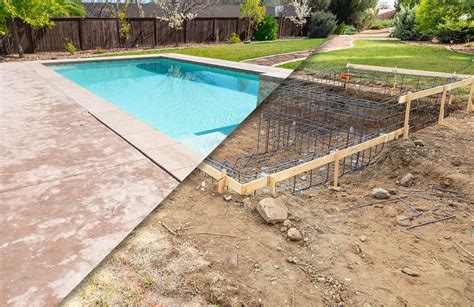
Once the excavation is complete, the next step is to install the pool shell. The pool shell is typically made of fiberglass, vinyl, or concrete. If you opt for a fiberglass or vinyl pool, the shell will be delivered to your site in one piece and carefully lowered into the excavated hole. Concrete pools, on the other hand, are built using rebar and shotcrete, requiring more time and labor.
Step 4: Plumbing and Electrical Work
After the pool shell is in place, the plumbing and electrical work can begin. This involves installing the necessary pipes, valves, and filters for proper water circulation and filtration. Electrical wiring is also required for pool lighting, pumps, and other equipment. It is crucial to hire licensed professionals for this step to ensure safety and compliance with electrical codes.
Step 5: Pool Deck and Finishing Touches
With the pool structure and essential components in place, it’s time to focus on the pool deck and finishing touches. The pool deck provides a space for lounging and access to the pool. You can choose from various materials, such as concrete, pavers, or natural stone, to create a durable and aesthetically pleasing deck. Additionally, consider adding landscaping elements, pool accessories, and safety features to enhance the overall appeal and functionality of your inground pool.
Step 6: Pool Start-Up and Maintenance
Once the installation is complete, it’s important to properly start up the pool and establish a routine maintenance schedule. This includes balancing the water chemistry, adding appropriate chemicals, and regularly cleaning and maintaining the pool equipment. Familiarize yourself with pool maintenance best practices or consult a professional to ensure your pool remains clean, safe, and enjoyable for years to come.

