
Introduction
Having a pool at home is a great way to beat the summer heat and enjoy some fun in the sun. However, maintaining a pool requires regular upkeep, including the proper use of pool chemicals. In this article, we will guide you through the step-by-step process of effectively using pool chemicals to ensure a clean and safe swimming environment for you and your family.
Step 1: Test the Water
The first step in maintaining your pool’s chemical balance is to test the water regularly. There are various test kits available that can measure the pH level, chlorine level, and alkalinity of your pool water. By regularly testing the water, you can identify any imbalances and take the necessary steps to correct them.
Step 2: Adjust the pH Level
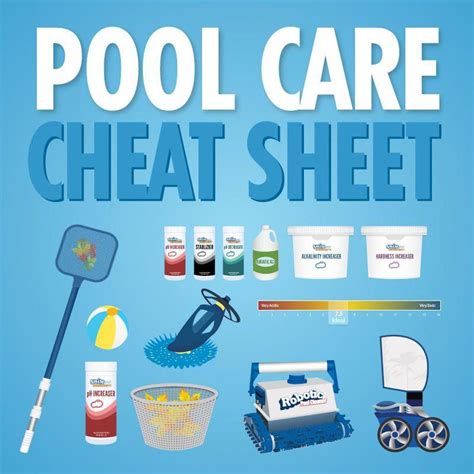
The pH level of your pool water is crucial for maintaining the effectiveness of chlorine and preventing the growth of bacteria. If the pH level is too high or too low, it can cause skin and eye irritation. To adjust the pH level, you can use pH increasers or pH decreasers, depending on the test results. Follow the instructions on the product packaging to ensure the correct dosage.
Step 3: Add Chlorine
Chlorine is an essential pool chemical that helps kill bacteria and prevent algae growth. There are different types of chlorine available, such as liquid chlorine, chlorine tablets, or chlorine granules. Choose the one that suits your preference and add it to your pool according to the recommended dosage. It’s important to distribute the chlorine evenly throughout the pool to ensure proper disinfection.
Step 4: Balance Alkalinity and Calcium Hardness
Alkalinity and calcium hardness are two other important factors to consider for maintaining your pool’s chemical balance. Alkalinity helps stabilize the pH level, while calcium hardness prevents the water from becoming corrosive. Test the alkalinity and calcium hardness levels using appropriate test kits and make necessary adjustments using alkalinity increasers or calcium hardness increasers.
Step 5: Shock the Pool
Shocking the pool involves adding a higher dosage of chlorine to eliminate any contaminants that regular chlorine might not be able to handle. This process helps keep your pool water clear and free of bacteria. Follow the instructions on the shock treatment product and make sure to keep the pool closed for a few hours after shocking to allow the chemicals to work effectively.
Step 6: Regular Maintenance
Finally, maintaining the proper chemical balance in your pool requires regular upkeep. This includes testing the water at least once a week, cleaning the pool regularly, and ensuring proper filtration and circulation. By following these steps and regularly monitoring your pool’s chemical levels, you can enjoy a clean and safe swimming experience all summer long.
In conclusion, maintaining your pool’s chemical balance is essential for a safe and enjoyable swimming experience. By following the step-by-step process outlined in this article, you can ensure that your pool remains clean, clear, and free of harmful bacteria. Remember to always read and follow the instructions on the pool chemical products and consult with a professional if needed. Happy swimming!

